
HAMMERTOE TREATMENT & SURGERY IN IRWIN, PA
EXPERT HAMMERTOE DOCTOR & HAMMERTOE SURGEON
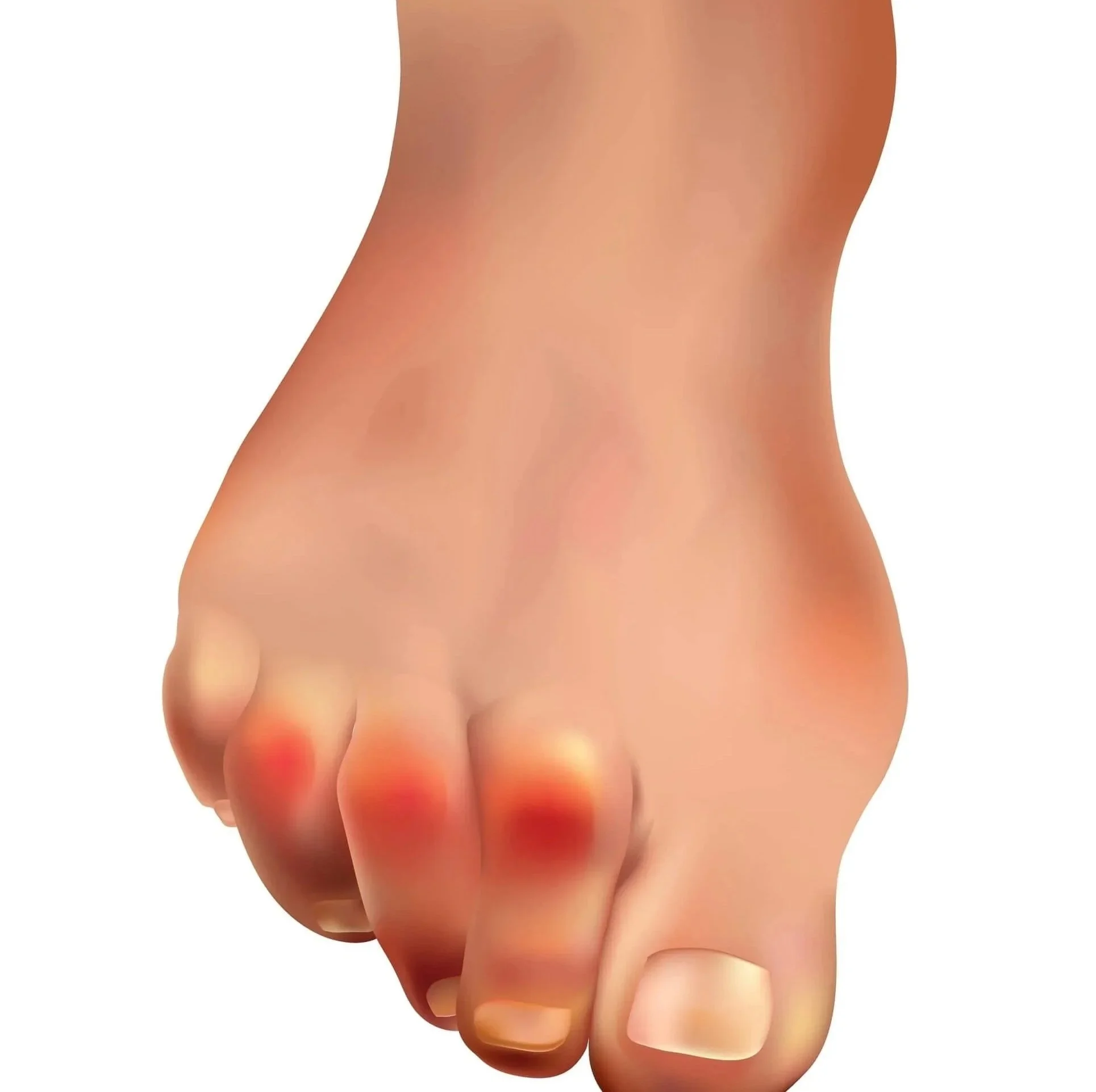
Personalized Treatment Plan for Your Hammertoes
Foot & Ankle Of Westmoreland , our Foot Doctor specializes in hammertoe treatment to relieve pain, restore toe alignment, and improve walking comfort. Hammertoes occur when one or more toes bend downward at the joint, often causing rubbing against shoes, stiffness, and difficulty with daily activities.
Hammertoe Common Causes:
Arthritis or degenerative joint conditions
Wearing tight, narrow, or high-heeled shoes
Toe injuries such as fractures or dislocations
Structural foot issues from birth
Hammertoe Treatment for Long Lasting Pain Relief
Foot & Ankle Of Westmoreland provides personalize care for every patient, from non-surgical solutions like custom orthotics and footwear guidance to advanced surgical correction when needed. We focus on addressing the root cause of the deformity while educating patients on foot care and helpful shoe choices to prevent future issues.
Schedule a Hammertoe Consultation
Dr. Todd Cindric treats all toe deformities with and without surgery. If hammertoe pain is affecting your mobility or comfort, a podiatry evaluation can help determine the best treatment options.
Foot & Ankle of Westmoreland is here to provide personalized attention and address all your needs with professionalism and compassion.
Frequently Asked Questions About Hammertoes
-
A hammertoe occurs when one of the smaller toes develops an abnormal bend. It most often affects the second through fifth toes and may cause pain, pressure, corns, or calluses where the toe rubs against footwear.
-
They can. A hammertoe may become more pronounced or less flexible over time, particularly when pressure and irritation continue. Early evaluation can help identify contributing factors and determine whether treatment may help prevent symptoms from becoming more difficult to manage.
-
Treatment depends on the flexibility of the toe, the severity of the deformity, and how much it is affecting your comfort and daily activities.
Non-surgical treatment may include wearing shoes with a roomy toe box, protective padding, orthotics, splinting, taping, and other measures designed to reduce pressure on the affected toe.
These treatments can help relieve pain and irritation, particularly when the deformity is still flexible. They may not permanently straighten a hammertoe that has become structurally established.
If symptoms continue despite conservative treatment, your podiatrist can evaluate whether surgical correction may be appropriate.
-
Surgery may be considered when pain continues despite non-surgical treatment, footwear becomes difficult to wear, or the deformity becomes rigid or interferes with daily activities.
Your podiatrist will evaluate the toe and recommend treatment based on its flexibility, severity, and your individual goals.