
BUNION TREATMENT IN IRWIN, PA
EXPERT BUNION DOCTOR & BUNION SURGEON
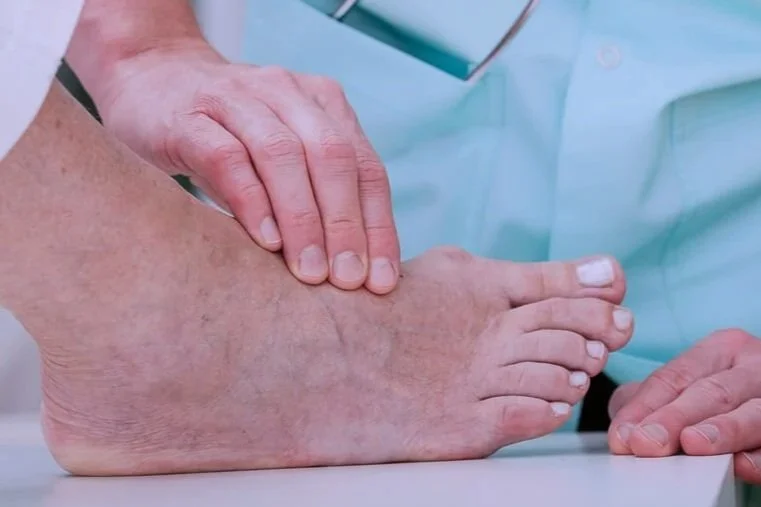
Bunion Pain Relief with Precision Care
Non-Surgical Treatment Options
For many patients, non-surgical treatment can help reduce bunion discomfort and make everyday activities more comfortable.
Supportive Footwear - Choosing shoes with a wider toe box and proper support can reduce pressure on the bunion and provide greater comfort throughout the day.
Custom Orthotics - Custom-designed orthotics can help improve foot alignment, support proper mechanics, and redistribute pressure away from the affected area.
Protective Padding - Bunion cushions and protective padding can help reduce friction and irritation caused by shoes rubbing against the prominence.
Anti-Inflammatory Medication - When appropriate, anti-inflammatory medications may help reduce pain and inflammation associated with a symptomatic bunion.
Activity Modifications - Adjusting activities that place excessive stress on the foot can help minimize discomfort and prevent symptoms from becoming more difficult to manage.
While these treatments can provide meaningful symptom relief, they do not permanently correct the underlying structural deformity. If bunion pain continues to interfere with walking, footwear, exercise, or daily activities, surgical correction may be considered.
Our goal is to recommend the treatment that makes the most sense for your foot, your symptoms, and your lifestyle.
Bunion Surgery
Bunion surgery is performed to correct the misalignment of the big toe joint and relieve pain caused by a bunion. When a bunion develops, the big toe gradually shifts toward the second toe while the joint at the base of the toe moves outward, creating a visible bump on the side of the foot.
Over time, bunions can cause discomfort, swelling, difficulty wearing shoes, and changes in walking. Surgical correction restores alignment of the joint and improves overall foot function.
Schedule a Bunion Consultation in Irwin, PA
If bunion pain is affecting your comfort or mobility, a podiatry evaluation can help determine the best treatment options. Patients trust Foot & Ankle of Westmoreland for personalized care and advanced techniques to help relieve pain and restore healthy foot function.
Frequently Asked Questions About Bunions
-
A bunion is a structural deformity of the big toe joint, also known as hallux valgus. Bunion develops when the soft tissues and bones of the forefoot move out of alignment.
Common factors that may contribute to bunions include:
Narrow or tight shoes
Big toe joint with Arthritis
Inherited foot structure
Flat feet or abnormal foot mechanics
As the condition progresses, the joint may become swollen, painful, and difficult to accommodate in your footwear.
-
A bunion does not always require surgery. In many cases, symptoms can be managed with footwear changes, orthotics, padding, and other conservative treatments. When those measures are no longer providing adequate relief, surgery may become an option.
Surgical treatment may be considered when a bunion begins to significantly affect your comfort, mobility, or everyday routine.
Signs It May Be Time to Consider Surgery
Ongoing pain that makes walking or standing uncomfortable
Difficulty finding shoes that fit comfortably
A noticeable change in the position of the big toe
Increasing stiffness or swelling around the joint
Symptoms that interfere with exercise, work, or daily activities
Discomfort that continues despite non-surgical treatment
-
Every bunion is different. During your evaluation, your podiatrist will examine your foot and may recommend X-rays to better understand the alignment and condition of the joint.
From there, we'll discuss your options and determine whether continued conservative care or surgical correction is the better path forward.
The goal at Foot & Ankle Of Westmoreland isn't simply to treat the bunion. It's to help you move comfortably and get back to the activities that matter to you.
-
Every patient's recovery is different, and the timeline will depend on the type of bunion procedure performed and how your foot responds during healing.
What You Can Expect
Protection During Early Healing - You may need a surgical shoe or walking boot to protect the foot while the bone and soft tissues begin to heal.
A Gradual Return to Activity - Your weight-bearing instructions will depend on your procedure. We'll guide you through each stage and let you know when it is appropriate to increase activity.
Follow-Up Care - Regular appointments allow your podiatrist to monitor healing, evaluate alignment, and make sure your recovery is progressing as expected.
Returning to Your Routine
Many patients are able to resume everyday activities within several weeks. However, swelling and residual discomfort can take considerably longer to fully settle, sometimes continuing to improve over several months. Foot & Ankle Of Westmoreland will provide you with personalized recovery instructions and help you understand what to expect at each stage of the healing process.